What Is the Flashcard Method?
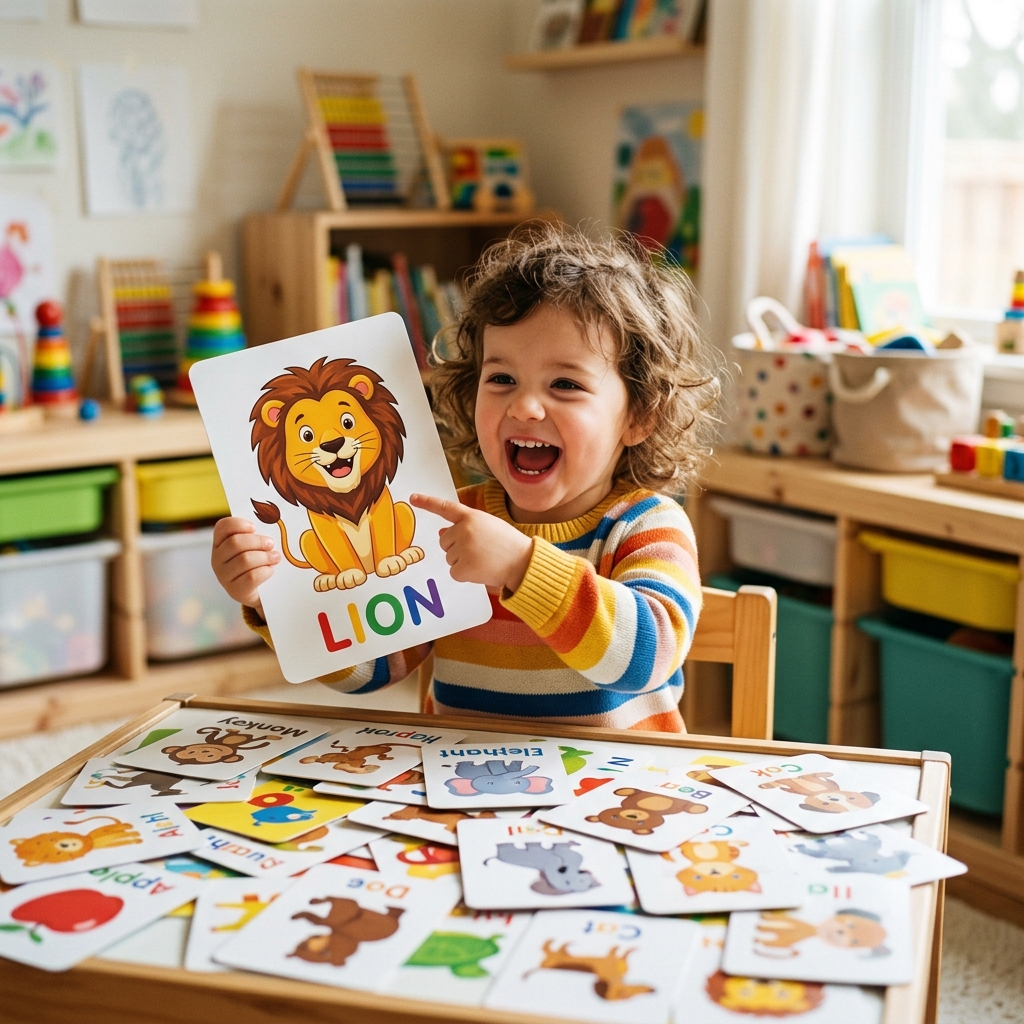
The flashcard method is a learning technique using cards with a visual or question on one side and an answer or explanation on the other. This method is one of the oldest learning tools, used for centuries and scientifically proven effective. Extremely effective in children's language development, especially vocabulary teaching, this method strengthens visual memory and ensures information is stored permanently in long-term memory.
Why Is the Flashcard Method So Effective?
Several important scientific principles underlie the effectiveness of the flashcard method:
Active Recall
When using flashcards, the brain actively tries to recall information rather than passively reading it. This process strengthens neural connections and increases the permanence of learned information. Research shows that active recall is twice as effective as passive review methods.
Spaced Repetition
The flashcard method becomes much more powerful when combined with the spaced repetition principle. Reviewing learned words at specific intervals slows the forgetting curve and ensures information is stored in long-term memory.
Multisensory Learning
Flashcards that combine visual, auditory, and tactile elements activate multiple sensory channels simultaneously. This multisensory approach accelerates and reinforces learning, especially in young children.
Chunked Learning
Breaking information into small pieces creates a learning environment suitable for children's attention spans. Each card presents a manageable unit of information and increases the child's sense of success.
Guide to Using Flashcards with Children
Key points to consider when using flashcards with children:
Age-Appropriate Content Selection
- Ages 1-2: Basic objects, animals, and colors. Use large visuals and clear sounds.
- Ages 2-3: Foods, clothes, body parts, vehicles. Category-based teaching can begin.
- Ages 3-4: Verbs, adjectives, simple sentences. Start using flashcards within sentences.
- Ages 4-6: Abstract concepts, professions, scientific terms. Add more complex word groups.
How to Conduct an Effective Flashcard Session
- Keep it short: Each session should be 5-10 minutes. 3-5 minutes is enough for young children.
- Few cards: Introduce 5-10 cards at a time. More causes overload.
- Repeat: Show the same cards again at different times. Repetition is the key to permanence.
- Make it fun: Combine cards with games, songs, and movements.
- Positive feedback: Encourage and motivate the child with every correct answer.
Digital Flashcards: Beyond Traditional Cards
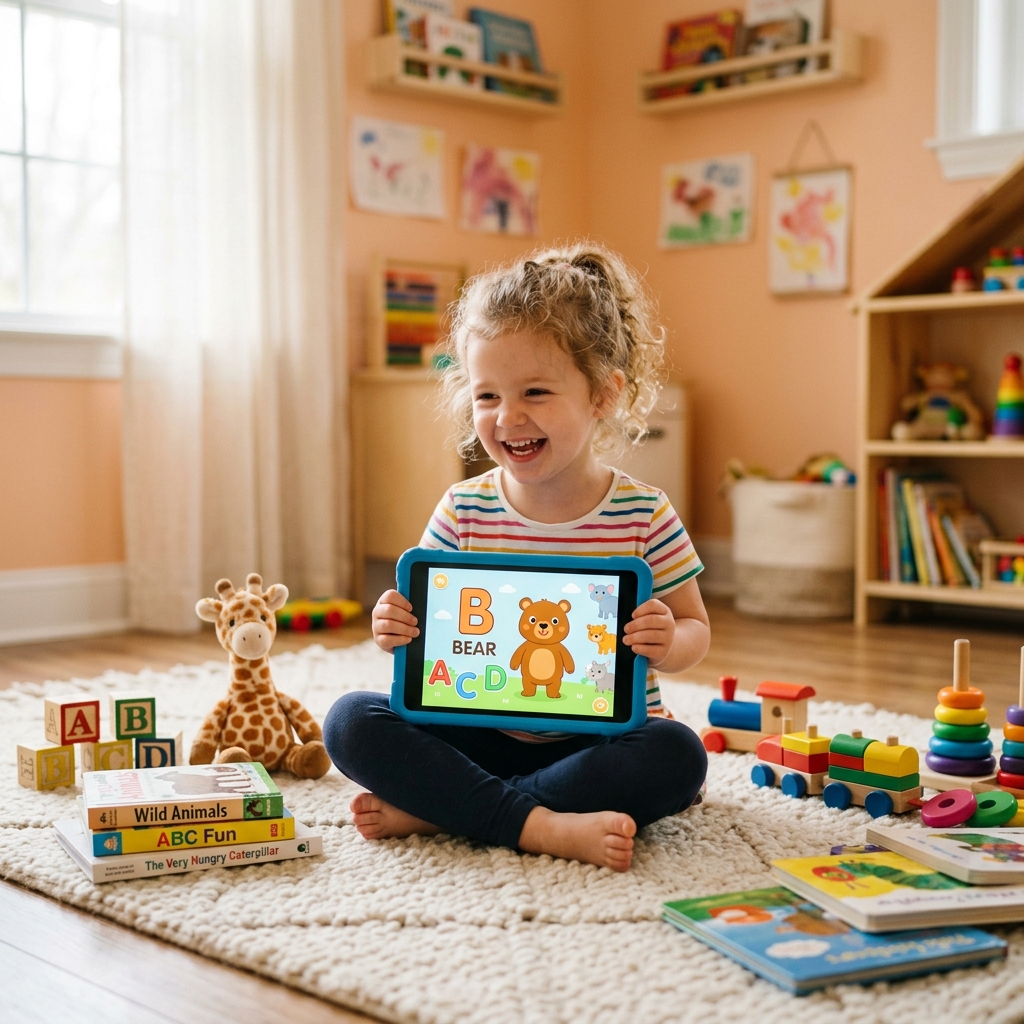
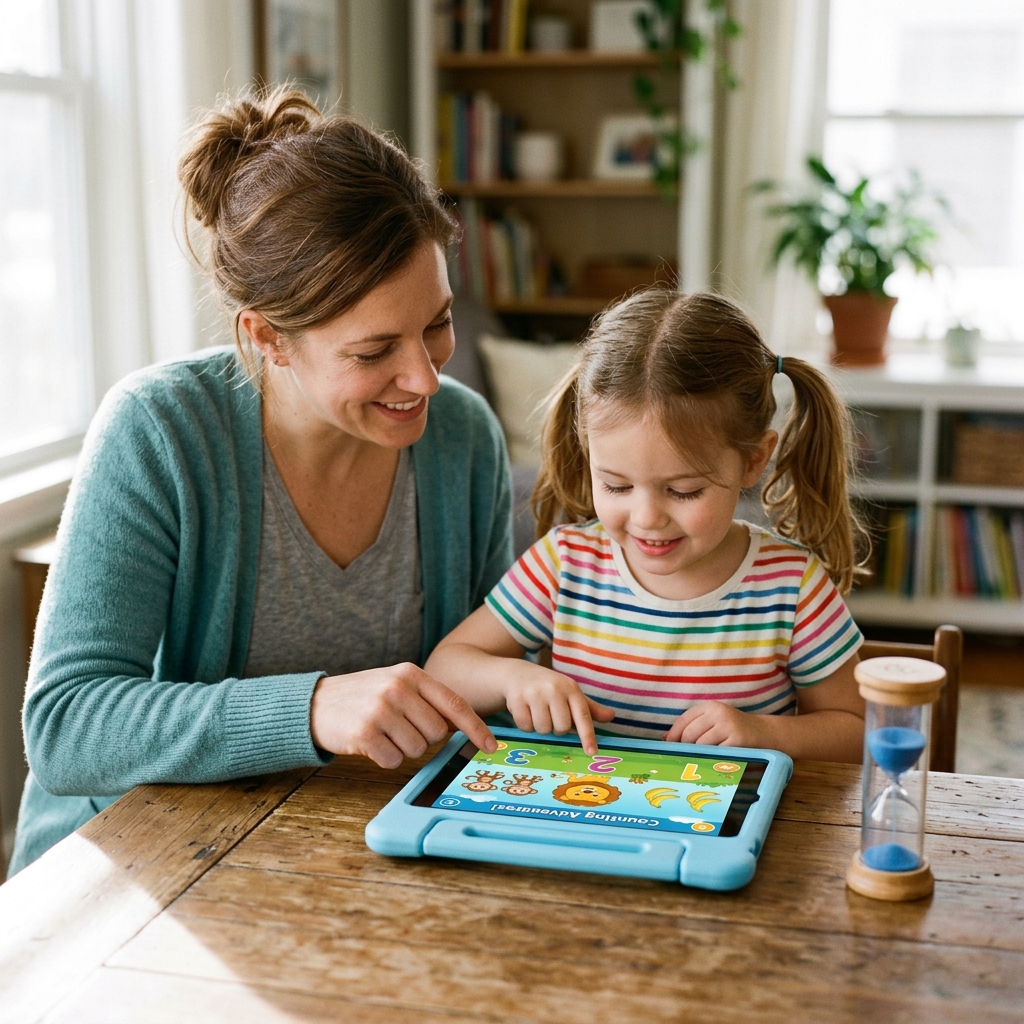
Digital flashcard apps enrich the learning experience by combining the advantages of traditional cards with modern technology:
Advantages of Digital Flashcards
- Audio pronunciation: Every word is supported by professional voiceover, teaching correct pronunciation.
- Animated visuals: Animations and videos visually reinforce word meanings.
- Interactivity: Touch, swipe, and game elements ensure the child's active participation.
- Progress tracking: Which words have been learned and which need review is automatically tracked.
- Portability: Hundreds of cards on one device, accessible anywhere.
Konus Benimle: Digital Excellence of the Flashcard Method
The Konus Benimle app is an application that brings the flashcard method to the digital environment most effectively. With over 500 flashcards, professional voiceover for each card, educational animation videos, and a 3-level system (Beginner, Intermediate, Advanced), it offers children a comprehensive vocabulary learning experience. The app's support for Turkish, English, and German makes it possible to learn the same word in three languages.
Flashcard Activities and Games at Home
Creative game ideas you can use to make flashcards more fun:
Matching Game
Turn cards face down and try to find matching pairs. This game strengthens both memory and vocabulary. Start with 4-6 cards and gradually increase the number.
Category Race
Have a competition sorting cards into categories. Create groups like "Animals," "Foods," "Colors." This activity develops both classification skills and vocabulary.
Word Hunt
Try to find the objects on the cards at home or outside. The question "Can you find this object from the card at home?" connects vocabulary to the real world.
Story Building
Play a story-creating game using several cards. Building a creative story with 3-5 randomly selected cards develops both language and imagination skills.
Speed Game
Show cards quickly and ask the child to say the name. This game increases recognition speed and automates vocabulary knowledge.
The Flashcard Method in Multilingual Vocabulary Teaching
Multilingual learning can be very effectively supported with the flashcard method:
- Same word, different languages: Learning the name of the same object in different languages creates connections between languages.
- Language switching practice: Having the child say a word in multiple languages strengthens multilingual competence.
- Cultural context: Words in different languages offer opportunities to learn about different cultures.
- Early exposure: Children exposed to multiple languages at a young age gain lasting advantages in language learning skills.
The Konus Benimle app presents each word in Turkish, English, and German. While learning a word in one language, the child can easily switch to other languages. This feature is especially ideal for Turkish families living abroad and children growing up in multilingual environments.
Important Considerations for the Flashcard Method
To get the best results from the flashcard method, pay attention to these points:
- Quality over quantity: Teach fewer words deeply rather than many words superficially.
- Create context: Use words within sentences and stories, not in isolation.
- Follow the child's interest: If the child shows interest in a specific category, prioritize words in that area.
- Balance physical and digital: Provide variety by using both physical cards and digital apps.
- Don't force: Learning should be enjoyable. If the child doesn't want to, stop and try again later.
- Create a review schedule: After learning new words, review at regular intervals.
Scientific Research Results of the Flashcard Method
Scientific research supports the effectiveness of the flashcard method:
- Memory strengthening: The active recall technique increases the likelihood of information staying in long-term memory by fifty percent.
- Vocabulary expansion: Children who regularly use flashcards learn thirty percent more words than those who don't.
- Multisensory advantage: Flashcards combining visual and auditory elements are more effective than single-sensory methods.
- Motivation: Short and fun sessions keep the child's learning motivation high.
Conclusion: The Flashcard Method Is a Time-Tested Tool
The flashcard method continues to support children's vocabulary learning in both traditional and digital environments with its simplicity and effectiveness. When properly applied, it rapidly expands your child's vocabulary, strengthens memory, and develops language skills. The Konus Benimle app combines this method with modern technology, professional voiceovers, educational videos, and multilingual support to provide the most comprehensive vocabulary learning experience. Remember, even a few minutes of regular practice each day creates significant differences in the long run.