
Ages 4-5: At the School Door
The 4-5 age period is a critical transition phase as your child prepares for school life. Language skills mature rapidly during this time, and children begin communicating in adult-like ways. Research shows that language skills before starting school are the strongest predictor of academic success.
What language skills can we expect from a 4-5 year old? And how can we support these skills?
Expected Language Skills at Ages 4-5
Vocabulary
- At age 4: 1,500-2,000 words in active use
- At age 5: 2,000-5,000 words in active use
- Begins understanding abstract concepts: time (yesterday, tomorrow), emotions (jealous, proud), quantity (half, quarter)
- Knows antonyms: big-small, hot-cold, fast-slow
Sentence Structure
- Forms complex sentences of 5-8 words
- Uses conjunctions: "and," "but," "because," "then"
- Uses question patterns correctly: "Why?", "How?", "When?"
- Can use past and future tenses
Narrative Skills
- Can narrate an event from beginning to end in order
- Can retell simple stories in their own words
- Can make jokes and create simple humor
- Can create imaginary stories
- Can share experiences in detail
Comprehension Skills
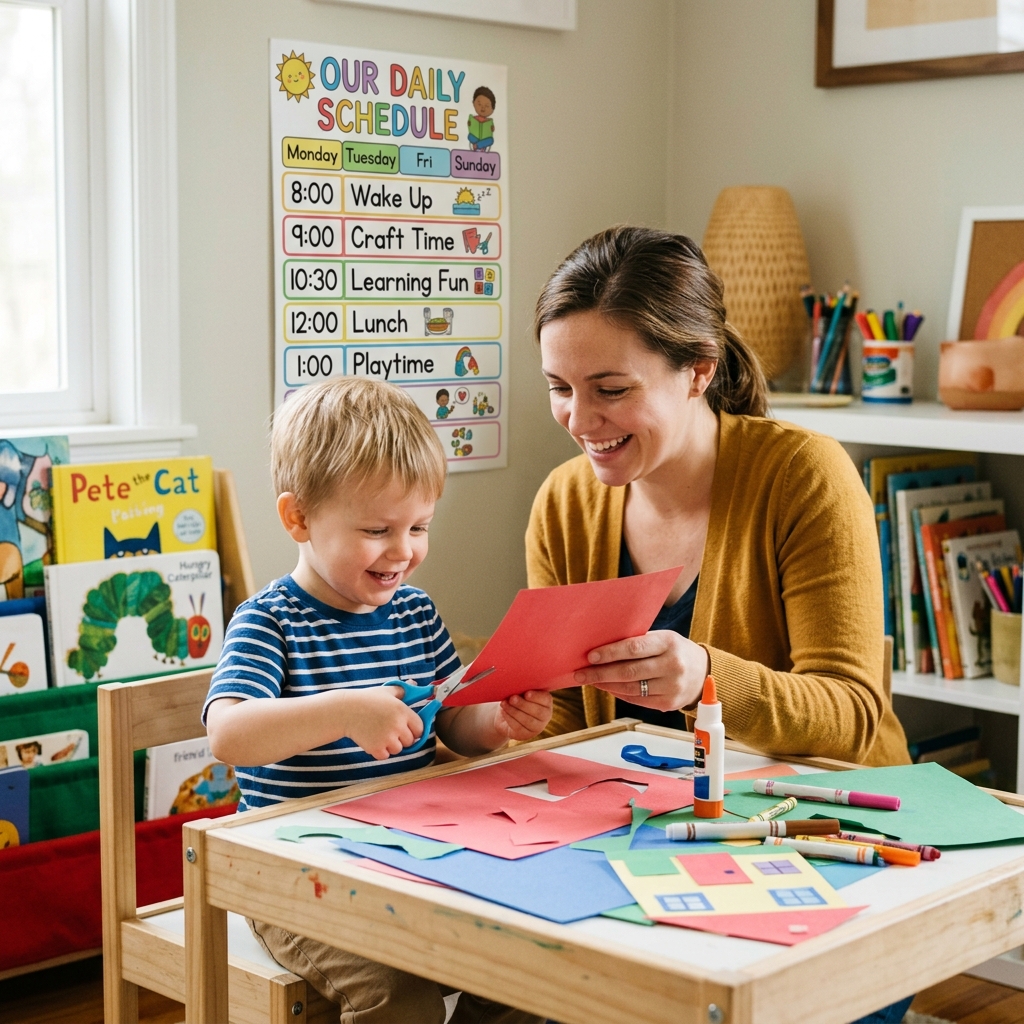
- Can follow multi-step instructions: "First wash your hands, then sit at the table"
- Can listen to and understand long stories
- Grasps cause-and-effect relationships
- Can make simple comparisons
The Importance of Language Development in School Readiness
Academic Success Connection
Research shows that children with strong language skills at school entry:
- Learn to read and write faster
- Understand math concepts more easily
- Follow classroom instructions better
- Are more successful in social relationships
- Show higher long-term academic achievement
Language skills form the foundation of all academic learning — because every subject is delivered through language.
Social Adaptation
In the school environment, children must constantly communicate: listening to the teacher, talking with friends, participating in group work, expressing needs. Strong language skills facilitate this social adaptation process.
10 Language Support Activities for School Readiness
1. Story Telling and Retelling
After reading a story, ask your child to retell it in their own words. This activity develops comprehension, memory, and narrative skills simultaneously.
2. Cause-and-Effect Conversations
Develop your child's explanation skills with questions like "Why do you think it rains?" and "Why do flowers need water?" Such questions prepare them for the thinking patterns they'll encounter in school.
3. Sequencing Games
Arranging picture cards in order, narrating steps of an event, or describing a recipe build order and consistency skills in narration.
4. Word Categories Game
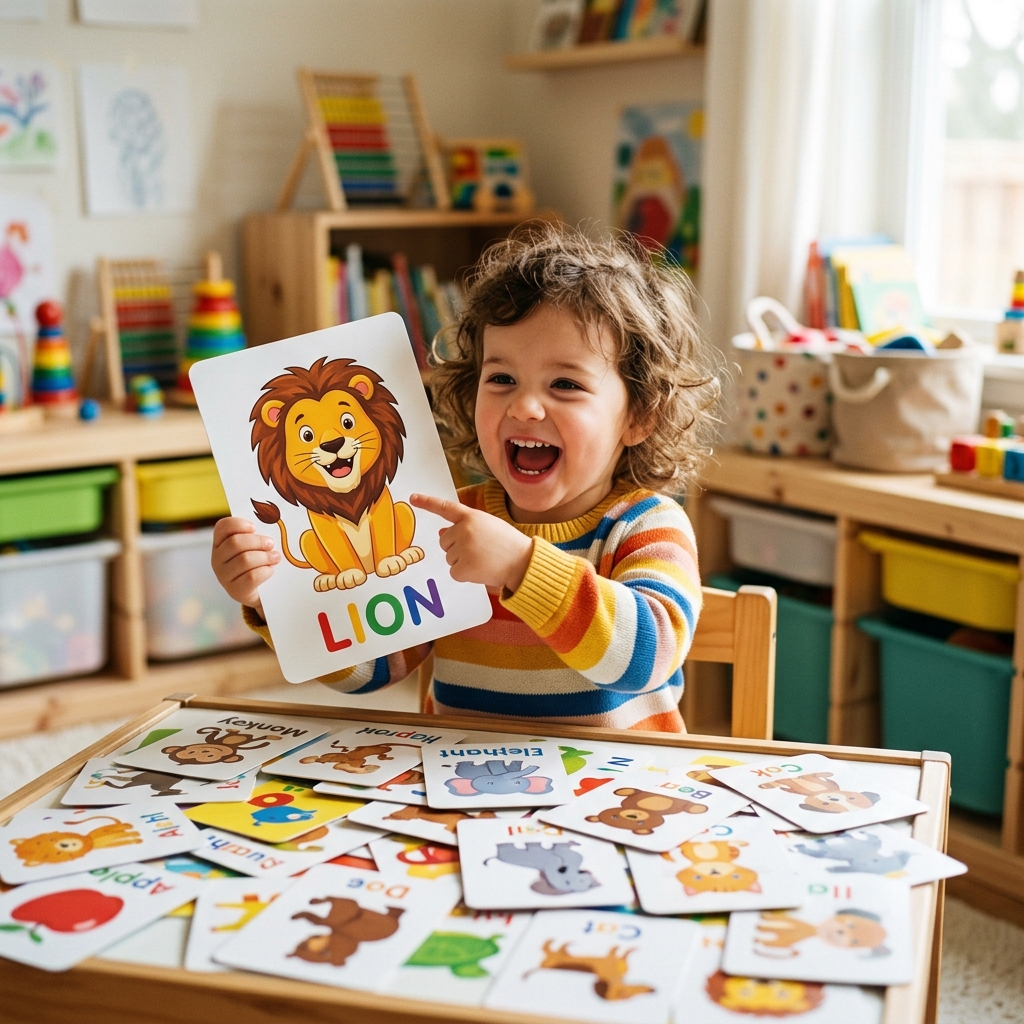
Play word-counting games in categories like "Animals," "Fruits," "Colors," "Professions." This expands vocabulary and strengthens conceptual thinking skills.
5. Rhyme and Sound Awareness
Finding rhyming words, identifying initial sounds of words, and counting syllables develop phonological awareness. This skill is critically important for the transition to reading and writing.
6. Role-Playing Games
Doctor-patient, teacher-student, and shopping role-play games help children use language in different social contexts. Games simulating the school environment ease school adaptation.
7. Discussing Daily Events
Evaluate the day every evening with questions like "What did you enjoy most today?" and "What did you learn today?" This routine provides practice for expressing experiences in an organized and coherent way.
8. Comparison and Description
Activities like "What are the differences between a cat and a dog?" and "Describe this object and I'll guess" develop adjective usage, comparison structures, and detailed description skills.
9. Multilingual Learning
Ages 4-5 is still a strong period for starting or continuing second language learning. The Konus Benimle app supports your child's multilingual development with vocabulary teaching in Turkish, English, and German. Visual cards, AI stories, and a level system strengthen both native and foreign language skills.
10. Book Reading Routine
Read together for at least 20 minutes every day. During this period, you can transition to longer, more complex stories. During reading, ask for predictions, discuss character emotions, and let the child determine the story's ending.
Warning Signs: When to Consult a Specialist
- Speech is largely unintelligible at age 4
- Cannot form simple 3-4 word sentences
- Cannot follow multi-step instructions
- Cannot sustain conversations with peers
- Makes no attempt at storytelling
- Doesn't ask questions or respond to them
- Noticeably behind compared to peers
Conclusion: Strong Language, Strong Start
The 4-5 age period is a critical time as your child prepares for school life. Language skills developed during this period form the foundation for success not just in school but throughout life. Reading stories, discussing, playing, and using technology wisely — these simple daily activities make a big difference in your child's language development.
Konus Benimle is a powerful tool supporting language development in the preschool period. With vocabulary teaching in 3 languages, AI stories, and a gamified learning system, it prepares your child both academically and socially for school.
School readiness is not a lesson but a journey — and the strongest vehicle for this journey is language.