What Is Separation Anxiety and When Does It Start?
Separation anxiety is the intense stress, fear, and worry a child experiences when separated from their primary caregiver — usually a parent. This feeling emerges around 6-8 months when babies begin to recognize and emotionally attach to their attachment figure, and peaks around 18 months.
Separation anxiety is a completely normal developmental stage seen in most babies and toddlers. It indicates that the child has formed a healthy attachment relationship. However, if separation anxiety continues intensely beyond certain ages or negatively impacts daily life, it should be addressed carefully.
How Separation Anxiety Looks at Different Ages
6-18 Months: First Separation Reactions
During this period, babies begin learning about object permanence — the understanding that things continue to exist even when out of sight. When a mother leaves the room, the baby cries because they think she has disappeared completely. This reaction is actually a sign of healthy cognitive development.
18 Months - 3 Years: The Peak Period
Separation anxiety reaches its most intense form during this period. The child may refuse to separate from the parent, showing clinging to the door, crying fits, sleep problems, and even physical symptoms like stomachaches or nausea. Since language skills are not yet fully developed, they express their emotions through behavior.
Ages 3-5: Daycare and Preschool Anxiety
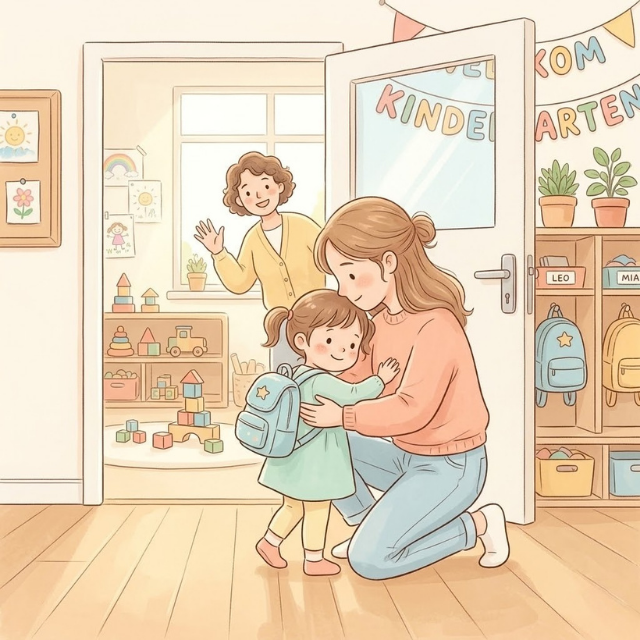
In this age group, separation anxiety is typically associated with starting daycare or school. The child may feel unsafe in the new environment. Worries like "What if mommy does not come back for me?" are frequently expressed. Anxiety usually decreases within a few weeks, though it may last longer for some children.
Ages 5-7: School Anxiety
Separation anxiety can resurface when starting elementary school. Long separations, new environments, new people, and performance expectations can increase the child s anxiety. During this period, children can better express their worries, but physical symptoms may continue.
Core Causes of Separation Anxiety
- Developmental process: It is a natural consequence of attachment. Even securely attached children experience separation anxiety.
- Life changes: Moving, a new sibling, divorce, or loss of a loved one can trigger anxiety.
- Traumatic experiences: Hospital stays, prolonged separations, or frightening experiences can intensify anxiety.
- Parenting styles: Overprotective parenting can delay independence development and increase anxiety.
- Temperament: Some children are naturally more sensitive and prone to anxiety. This is not a weakness but an individual difference.
Goodbye Rituals: Golden Rules for Easing Separation
The right way to say goodbye is the most effective tool for managing separation anxiety. Here are evidence-based strategies:
- Keep goodbyes short and confident: Long, emotional farewells increase the child s anxiety. Say goodbye with a smile, firmly and briefly.
- Never sneak away: Leaving without the child noticing may seem to work short-term but seriously damages trust. Always say goodbye.
- Promise your return: Use concrete time references like "I will come after lunch." And always keep your promise.
- Create a ritual: A special handshake, kiss, or secret greeting gives the child a sense of security.
- Use a transitional object: A scarf belonging to mom or a small toy can serve as a security object the child can carry.
Reducing Anxiety During Daycare and School Transitions
Daycare or school is often the first extended separation experience for most children. To ease this transition:
- Introduce gradually: Instead of leaving for a full day on the first day, start with short periods and slowly increase the duration.
- Familiarize the environment beforehand: Visit the daycare in advance, meet the teacher, play in the yard. Familiar surroundings reduce anxiety.
- Talk positively: Speak about daycare with excitement and positivity. But avoid unrealistic promises like "You will not cry at all."
- Send a comfort object: Having a small object that reminds the child of family (photo, toy) provides reassurance.
- Be consistent: Dropping off and picking up at the same time every day strengthens the child s sense of predictability.
What Parents Should Do
Manage Your Own Anxiety
Children sense their parents emotional state with incredible sensitivity. If you are anxious, your child will be too. Being calm, cheerful, and decisive at the moment of separation sends the child the message that everything is fine.
Validate Their Feelings
Instead of "Do not cry, nothing is wrong," saying "Separating is hard, I understand. But I will come back" helps the child feel that their emotions are accepted. Children whose feelings are suppressed begin expressing their anxiety in different and unhealthy ways.
Encourage Independence
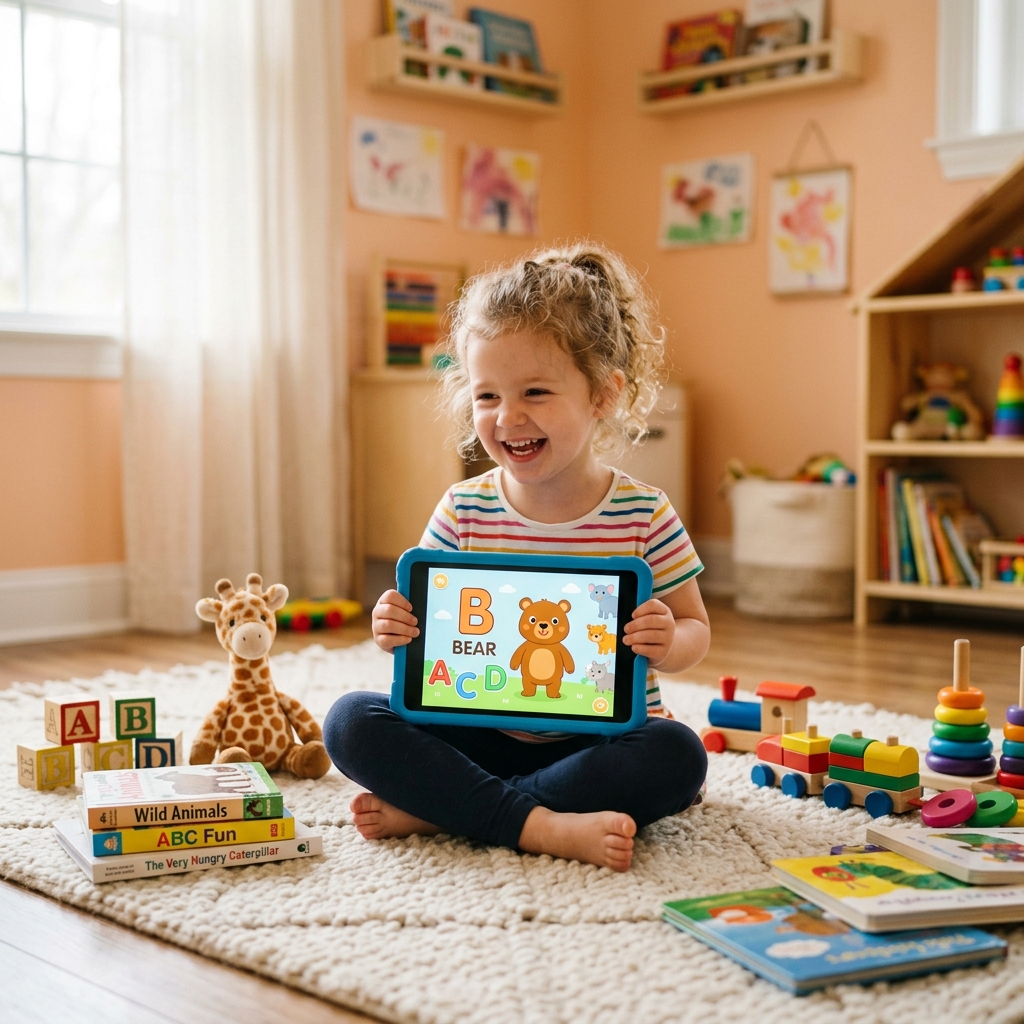
Start with small separations: leave the child with someone you trust for short periods. Each successful separation experience builds the child s confidence. Creating a safe space where the child can independently explore using educational apps like Konus Benimle is also beneficial.
The Connection Between Language Development and Anxiety Management
Research shows that children with strong language skills manage their anxiety better. Children who can express their feelings in words can seek solutions through conversation instead of crying or tantrums. Therefore, developing a child s vocabulary is critically important not only for academic success but also for emotional health.
The Konus Benimle app helps children express themselves better by expanding their vocabulary in Turkish, English, and German. Working on emotion words in particular strengthens the child s ability to articulate their inner world.
The Difference Between Normal Anxiety and Anxiety Disorder
Every child experiences some degree of separation anxiety, and this is normal. However, the following situations may indicate an anxiety disorder requiring professional evaluation:
- Anxiety continues severely for more than 4 weeks
- The child completely refuses to go to school or daycare
- Sleep problems (nightmares, inability to sleep alone) have become chronic
- Physical symptoms (headaches, nausea) recur constantly
- Social relationships and daily activities are seriously affected
In such cases, consulting a child psychologist or child psychiatrist will significantly improve the quality of life for both the child and the family.
Conclusion: Secure Attachment, Secure Separation
Separation anxiety is the most beautiful evidence that your child loves you and is attached to you. It is important to see this feeling not as a problem but as a natural reflection of secure attachment. With patience, consistency, and the right strategies, every child learns that separation is temporary and that their loved ones always come back.