What Is Anger in Children and Why Does It Occur?
Anger is a natural and healthy emotion in children's development. However, many parents feel helpless when faced with their child's temper tantrums. Since children lack the verbal skills to express their emotions through words, they show their anger through crying, screaming, throwing objects, or lying on the floor. These behaviors are quite common between ages 2-6 and are a normal part of emotional development.
What Are the Signs of Anger by Age Group?
Signs of anger in children vary by age. Recognizing these signs helps parents choose the right intervention methods.
Ages 2-3: The Temper Tantrum Phase
- Lying on the floor and thrashing: This is the most common anger expression in this age group. Children react physically when they cannot get what they want.
- Crying and screaming: Vocal reactions are prominent because language development is not yet sufficient.
- Biting and hitting: Physical aggression is a result of inability to express oneself verbally.
Ages 4-5: The Verbal Anger Phase
- Saying hurtful words: With language development, children begin to express anger verbally.
- Throwing objects: Redirecting uncontrolled energy toward objects is common.
- Sulking and cutting off communication: Passive-aggressive behaviors may begin during this period.
Ages 6-7: The Social Anger Phase
- Conflicts with friends: Sharing and waiting for turns in school settings can trigger anger.
- Defying rules: As the desire for independence grows, children may resist authority figures.
- Withdrawal: Some children may suppress their anger and remain silent.
8 Effective Methods for Anger Management in Children
Parents can develop their children's emotional intelligence by teaching them healthy anger management skills. Here are 8 scientifically supported effective methods:
1. Stay Calm and Be a Role Model
Children learn by observing their parents' emotional reactions. If you stay calm when you are angry, your child will gradually acquire this skill too. Take deep breaths, don't raise your voice, and show that you have the situation under control. Remember, your child mirrors you.
2. Name the Emotion
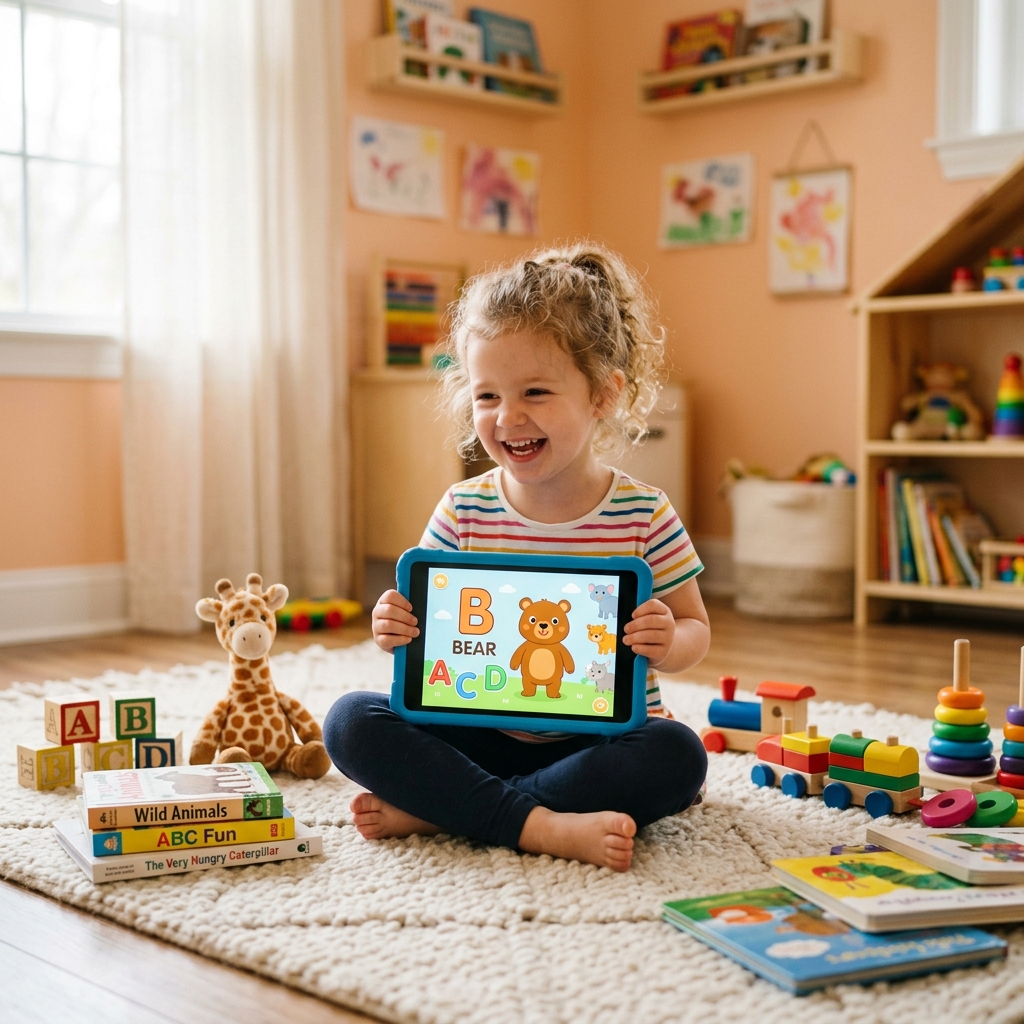
Help your child recognize what they are feeling. Use phrases like "I can see you are very angry" or "This situation upset you, didn't it?" Educational apps like Konus Benimle can help children learn emotion words and develop their emotional expression skills.
3. Create a Calm-Down Corner
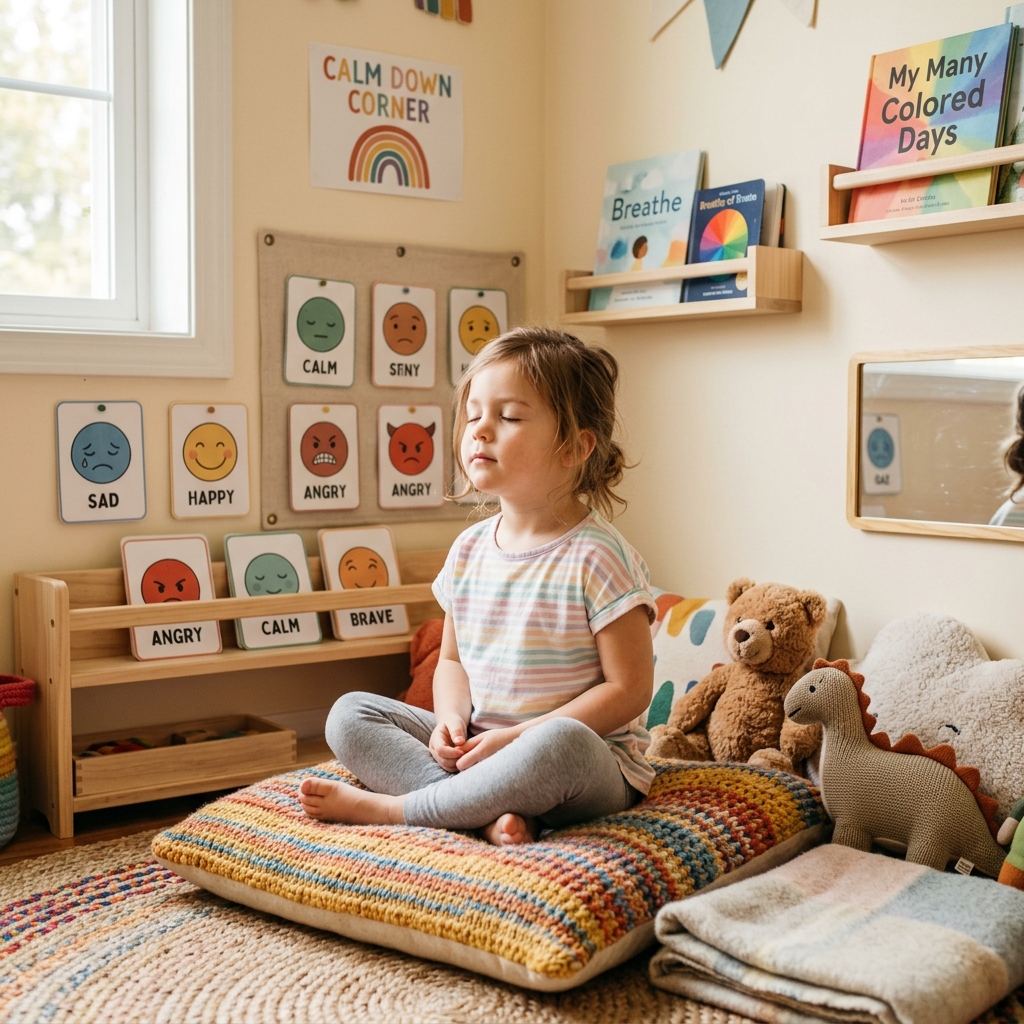
Designate a special area at home where your child can go when they feel angry. This area can be equipped with soft pillows, favorite toys, and calming materials. This should not be a punishment but a safe space where the child can compose themselves.
4. Teach Breathing Exercises
Teaching children simple breathing techniques provides them with a powerful tool they can use during angry moments. The "smell the flower, blow out the candle" technique is ideal for young children: breathe in deeply through the nose (smell the flower), exhale slowly through the mouth (blow out the candle).
5. Offer Alternative Expression Methods
Teach your child to express anger in healthy ways:
- Drawing pictures: Transferring emotions onto paper helps the child relax.
- Punching a pillow: Provides a safe way to release physical energy.
- Running or jumping: Movement helps reduce stress hormones.
- Listening to music: Calming music can help restore emotional balance.
6. Identify Triggers
Observe the situations that make your child angry. Hunger, fatigue, overstimulation, or certain social situations can be recurring triggers. Managing these factors in advance can reduce temper tantrums.
7. Reinforce Positive Behavior
When your child controls their anger or expresses their feelings in words, acknowledge them. Feedback like "It's wonderful that you told me you were angry, I'm proud of you" increases the likelihood of positive behavior being repeated.
8. Support Language Development
Research shows that children with strong language development can better express their emotions and experience fewer temper tantrums. Enriching your child's vocabulary indirectly improves their anger management skills. The Konus Benimle app strengthens both language and emotional expression skills with over 500 flashcards and content in three languages.
Dos and Don'ts During a Temper Tantrum
Do
- Stay calm and consistent; make your child feel safe.
- Maintain eye contact and speak in a low voice.
- Offer physical contact but don't force it; ask "Would you like a hug?"
- Discuss the situation together after the tantrum passes.
Don't
- Don't yell or threaten; this escalates the anger.
- Don't use physical punishment; it models violence.
- Don't mock or belittle; it damages emotional security.
- Don't give in to demands; this reinforces the behavior.
When Is Professional Help Needed?
In most cases, temper tantrums are a normal part of development. However, seeking support from a child psychologist or pedagogue may be beneficial in the following situations:
- Tantrums are very frequent and prolonged: Multiple tantrums per day lasting over 30 minutes are noteworthy.
- Self-harm or harm to others: Professional support is important if physical aggression cannot be controlled.
- Continues after age 7: Temper tantrums are expected to decrease after this age.
- Significantly affects daily life: Help should be sought if school, friendships, or family life are seriously disrupted.
Games and Activities for Anger Management
Children learn best through play. You can teach your child anger management skills by turning them into games:
- Emotion thermometer: Draw an emotion thermometer with your child. Ask them to rate their anger level from 1-10.
- Turtle technique: Teach them to retreat into their shell like a turtle when angry, take deep breaths, and then come out.
- Emotion journal: Encourage them to record how they feel each day by drawing or writing.
- Puppet play: Act out anger scenarios with puppets and practice finding solutions.
Conclusion: Anger Is Not an Enemy but a Teacher
Rather than suppressing your child's anger, helping them recognize and manage it in healthy ways is the most valuable gift. Emotional intelligence skills form the foundation for your child's success in both academic and social life. With a patient, consistent, and loving approach, your child will gradually learn to manage their own emotions. The Konus Benimle app's rich flashcards and story creation features are an excellent tool for helping your child learn emotion words and strengthen their emotional expression skills.