What Are Social Skills and Why Are They Important?
Social skills are a set of abilities that enable children to interact effectively with other people. Skills such as sharing, taking turns, showing empathy, cooperating, and resolving conflicts are included in this group. Research shows that children with strong social skills have higher academic achievement, better emotional health, and build more successful relationships in adulthood.
How Does Social Skill Development Progress by Age?
Children's social development goes through specific stages. Each age group has its own unique social skills and challenges.
Ages 0-2: Basic Interaction Period
- Eye contact and smiling: Babies initiate social interaction through facial expressions.
- Imitation: Social learning begins by imitating adults' movements and sounds.
- Parallel play: Children play alongside other children but do not yet play together.
Ages 2-4: Social Awareness Period
- Learning to share: A challenging but critical period. Concepts of taking turns and sharing develop.
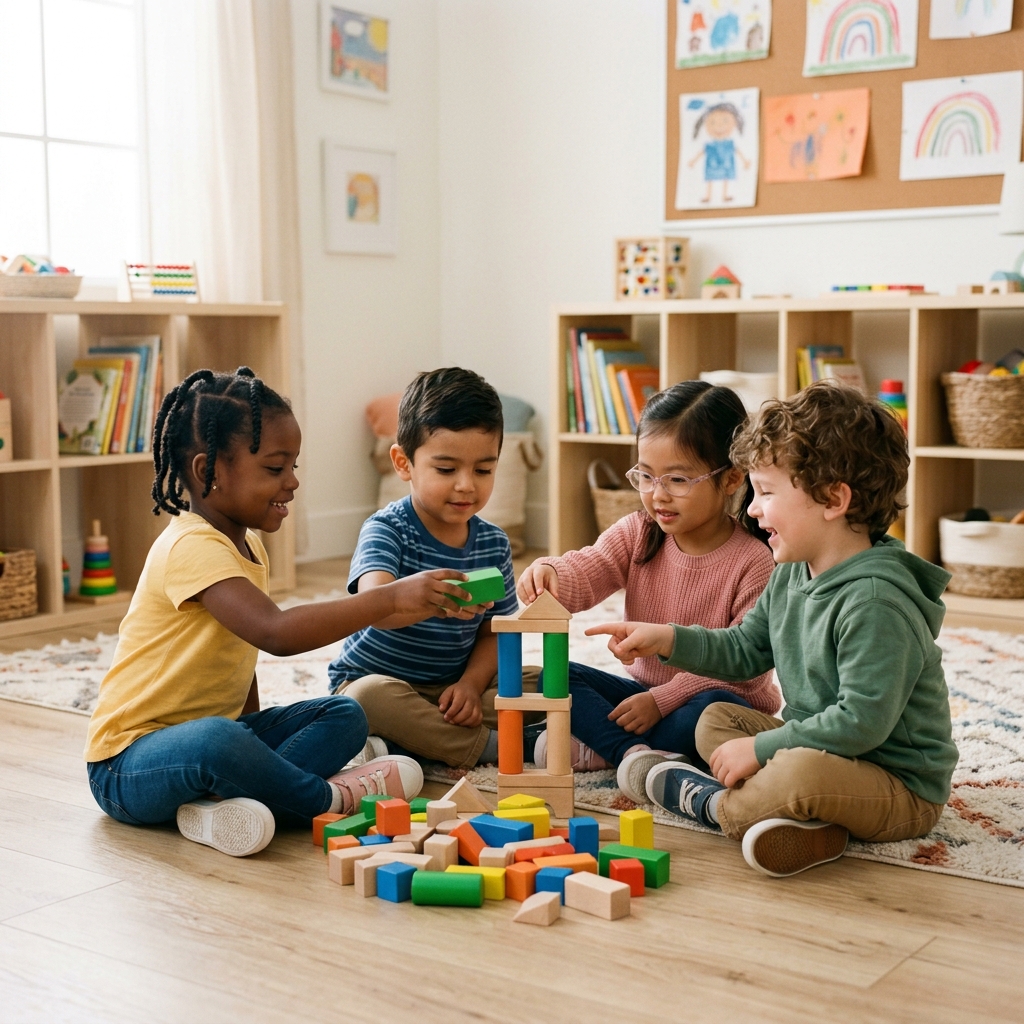
- Cooperative play: Children begin playing interactive games with other children.
- Basic empathy: They can notice when others are upset and try to comfort them.
- Verbal communication: As vocabulary expands, they begin expressing their wishes verbally.
Ages 4-6: Friendship Period
- True friendships: Children begin forming deeper bonds with specific peers.
- Understanding rules: Concepts of following game rules and being fair develop.
- Conflict resolution: Skills for resolving disputes verbally emerge.
- Group dynamics: Abilities to take roles within groups and cooperate develop.
10 Effective Ways to Develop Social Skills in Children
Parents can support their children's social skills in daily life. Here are 10 scientifically proven effective methods:
1. Be a Role Model
Children learn social skills most by observing their parents. How you treat others, how you apply courtesy rules, and how you resolve conflicts is a living textbook for your child.
2. Create Play Opportunities
Ensure your child regularly meets with peers. Park meetups, playgroups, or interactions with neighborhood children contribute to the natural development of social skills.
3. Develop Emotional Literacy
Teach your child to recognize both their own and others' emotions. Questions like "Why do you think your friend might be crying?" support empathy development. The Konus Benimle app helps children learn emotion words and social expressions, strengthening this skill.
4. Teach Sharing and Turn-Taking
These concepts are among the most difficult social skills for young children. Practice turn-taking during play at home. Use a timer to ensure each child gets equal play time.
5. Support Problem-Solving Skills
When your child encounters a social problem, guide them to find a solution rather than intervening immediately. The question "What do you think you could do in this situation?" encourages independent thinking.
6. Practice Role-Playing
Allow your child to practice by acting out different social scenarios at home. Scenarios like grocery store, doctor, or school help develop social skills in a safe environment.
7. Reinforce Positive Social Behaviors
Notice and appreciate when your child shares, helps, or behaves kindly. Give specific feedback: "It was very thoughtful of you to share your toy with your sibling."
8. Strengthen Language and Communication Skills
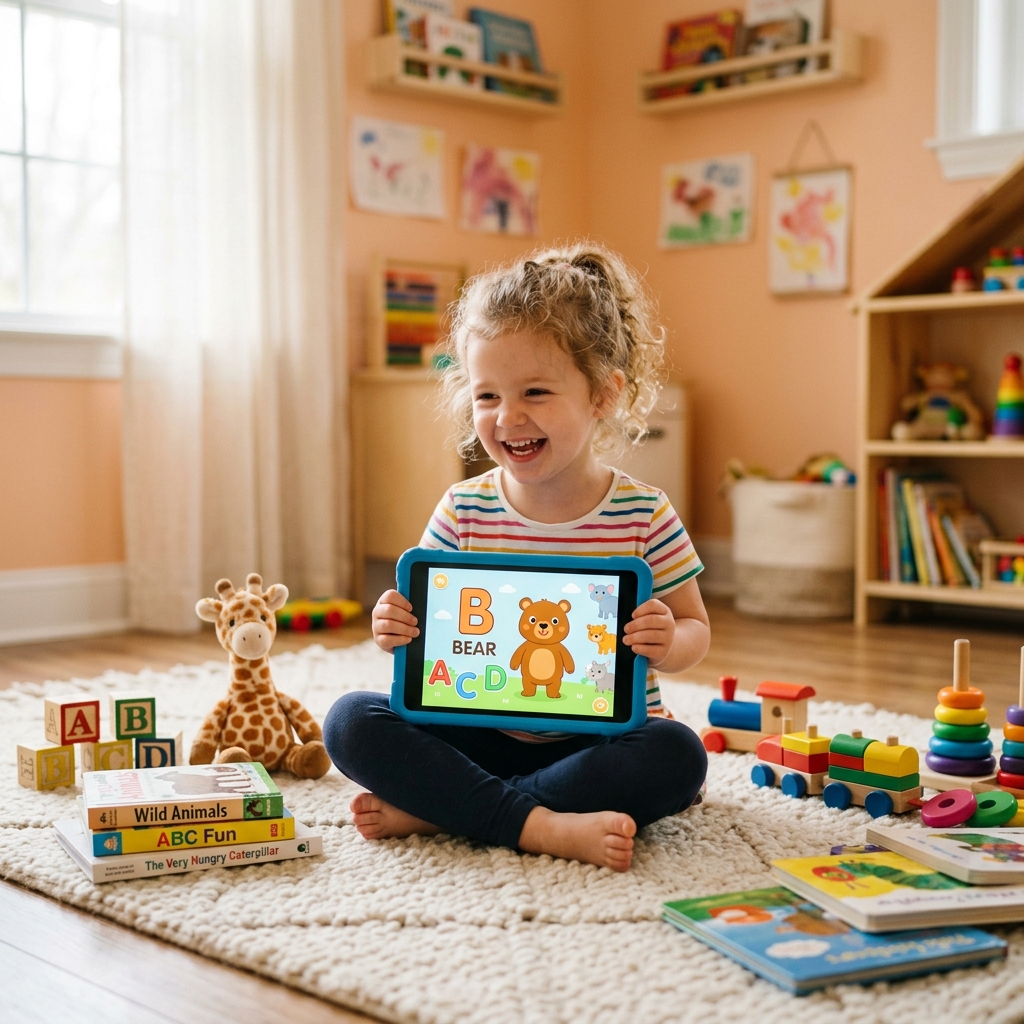
Strong language skills are the foundation of social interaction. Children who can express themselves well build and maintain friendships more easily. You can use daily conversations, reading books, and educational apps like Konus Benimle to enrich your child's vocabulary.
9. Balance Screen Time
Excessive screen time reduces opportunities for face-to-face social interaction. By limiting screen time, ensure your child engages in real interactions with people.
10. Be Patient and Supportive
Social skills do not develop overnight. Allow your child to make mistakes and view every experience as a learning opportunity.
What Are the Signs of Social Skill Deficiency?
Every child's social development progresses at a different pace. However, some signs may indicate a need for social skill support:
- Consistently preferring to play alone: Not interacting with peers at all after age 3-4 is noteworthy.
- Excessive aggression: Constantly trying to solve problems physically may indicate social skill deficiency.
- Avoiding eye contact: Consistently avoiding eye contact during social interactions should be evaluated.
- Inability to recognize emotions: Failing to notice others' or one's own emotions may point to delays in empathy development.
- Extreme shyness: Intense, prolonged fear of new environments or people may indicate social anxiety.
Games and Activities That Strengthen Social Skills
Play is the most effective way to develop children's social skills:
- Board games: Develop turn-taking, following rules, and accepting losing skills.
- Team sports: Strengthen cooperation, communication, and shared goal-setting skills.
- Dramatic play: Imaginative games like house, store, or doctor develop empathy and perspective-taking skills.
- Group art projects: Creating something together reinforces cooperation and negotiation skills.
- Musical activities: Singing or dancing together supports harmony and synchronization skills.
How to Approach Shy Children?
Shyness is a personality trait and is not necessarily a problem that needs to be changed. However, if shyness seriously restricts social life, supportive steps can be taken:
- Don't force the child into social situations; allow them to progress at their own pace.
- Start with small groups; one-on-one play dates create less pressure.
- Highlight their strengths; shy children are often good observers and good listeners.
- Practice social skills at home; role-playing offers a safe environment to experiment.
Conclusion: Social Skills Are a Lifelong Investment
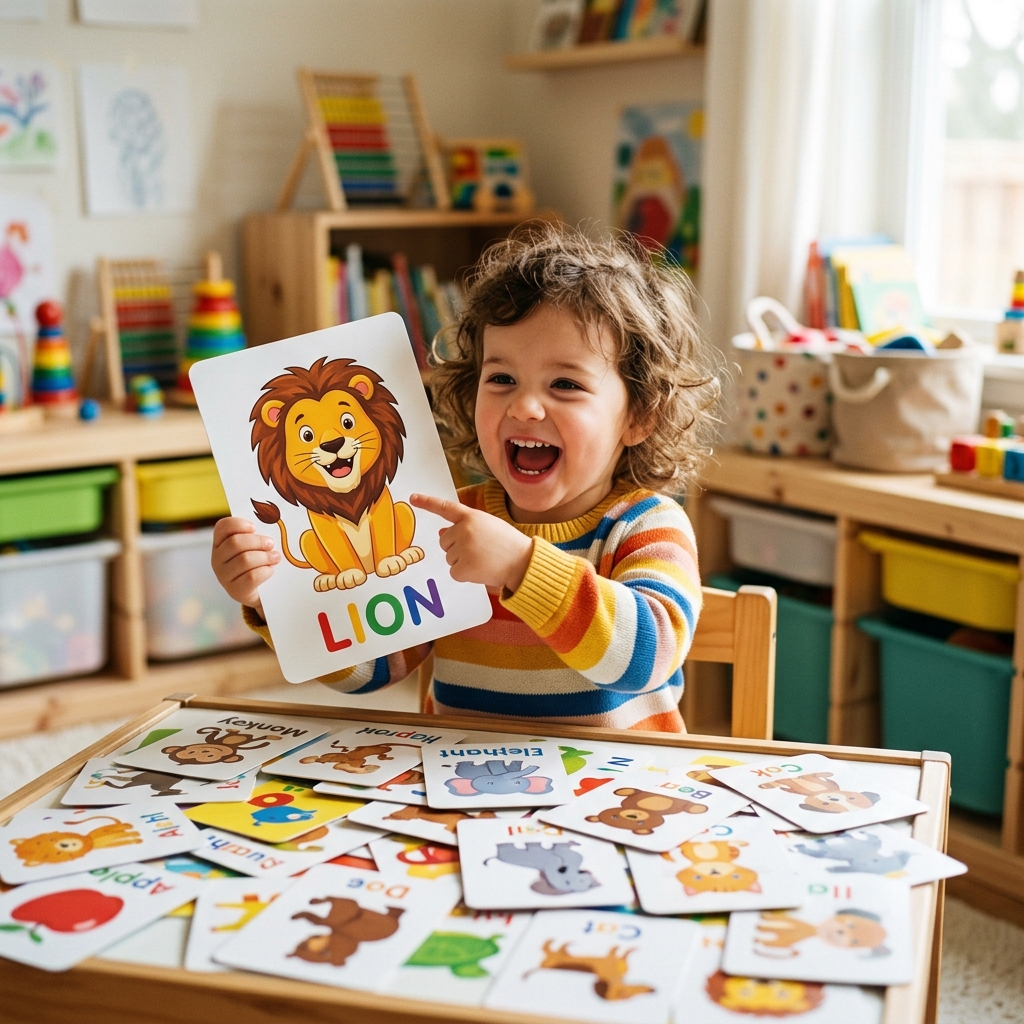
The social skills you help your child develop are among the most valuable tools they will use throughout life. Building healthy relationships, showing empathy, cooperating, and resolving conflicts form the foundation of success in both school and professional life. Remember that every child is unique and social development progresses at its own pace. The best thing you can do is provide a safe environment, be a role model, and offer continuous support. The Konus Benimle app's rich flashcards and multilingual content strengthen your child's communication skills, making their social interactions easier.