What Is Quality Time and Why Does It Matter So Much?
Quality time is not every minute you spend with your child, but rather conscious, meaningful moments of interaction where you are completely focused on them. Research shows that the quality of time spent with children matters more than quantity. Just 15 minutes of undivided attention — without checking your phone or multitasking — is far more valuable than 2 hours spent together in front of the television.
Quality time forms the foundation of a child s secure attachment, self-confidence, emotional intelligence, and social skills. Children who feel valued and loved show fewer behavioral problems, achieve better academic results, and build healthier relationships with peers.
How Quality Time Impacts Child Development
Emotional Development
One-on-one time with a parent strengthens the child s emotional safety net. A child in the presence of an attentive parent handles stress better, expresses emotions more freely, and develops empathy. Even just 15-20 minutes of one-on-one interaction daily makes a significant difference.
Cognitive Development
Conversations, games, and explorations with a parent directly impact brain development. Vocabulary, problem-solving skills, and creative thinking capacity strengthen during parent-child interaction. Reading books together, exploring nature, and asking questions are the most effective cognitive stimuli.
Language Development
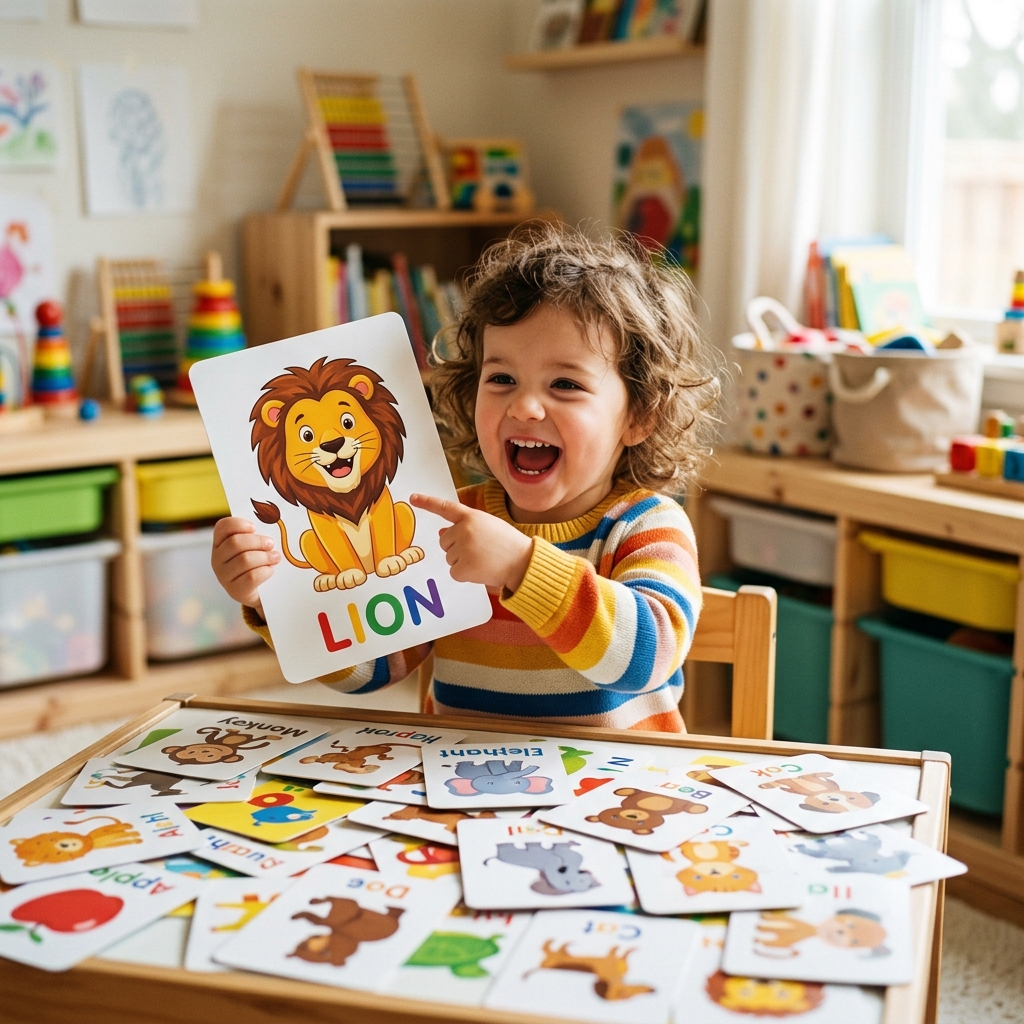
A child s language development largely depends on communication with parents. Research reveals that children who regularly converse with their parents develop their vocabulary faster. Even during daily routines — cooking, driving, grocery shopping — conversations support language development. Exploring flashcards together using the Konus Benimle app transforms this interaction into a structured learning experience.
Quality Time Activities by Age
Ages 0-2: Sensory Exploration Time
During this period, children discover the world through their senses. For quality time:
- Eye contact and smiling: The simplest yet most powerful bonding tool
- Songs and nursery rhymes: Rhythmic sounds stimulate brain development and lay language foundations
- Tactile play: Different textures, soft balls, and water play support sensory development
- Looking at picture books: Point to and name images as you turn pages together
- Floor time together: Get down to the child s level, enter their world
Ages 2-4: Imagination and Play Time
This period sees an explosion of symbolic play and imagination. For quality time:
- Pretend play and role-playing: Roles like doctor, chef, and teacher develop social skills
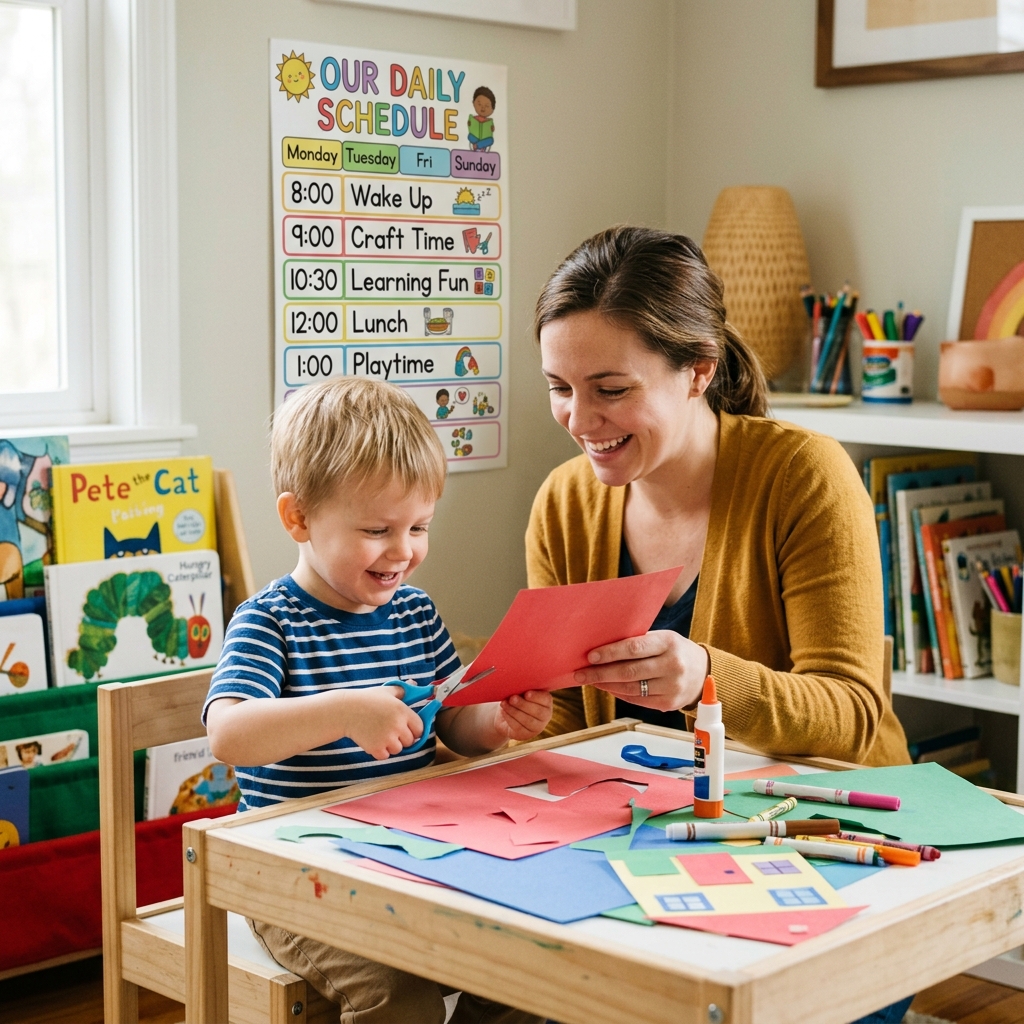
- Playdough and painting: Let creativity flow freely, focus on the process rather than the result
- Nature walks: Collecting leaves and observing insects in the park nurtures curiosity
- Cooking together: Assign simple tasks — washing fruit, kneading dough
- Word games: Explore Konus Benimle flashcards together for fun and learning combined
Ages 4-7: Exploration and Project Time
During this period, children are curious, inquisitive, and love doing projects. For quality time:
- Science experiments: Simple experiments like making a kitchen volcano or observing plant growth
- Board games: Age-appropriate games teach taking turns, following rules, and accepting losing
- Story writing: Create a story together, let the child s imagination lead
- Sports and movement: Biking, swimming, or playing ball in the garden
- Volunteer projects: Feeding birds or leaving water for stray animals together develops empathy
Practical Strategies for Working Parents
A busy work schedule is not a barrier to quality time. What matters is not the length of time but its intensity and sincerity.
Morning Rituals
Wake up 10 minutes early to chat with your child during breakfast. Ask how their morning is going and share your plans for the day. This small touch helps the child start the day feeling secure.
Homecoming Ritual
When you return from work, dedicate the first 15 minutes entirely to your child. Put down the phone, crouch to their level, and ask "What was the best part of your day?" This question guides the child toward positive thinking and makes them want to share their day with you.
Micro Moments
Quality time does not always have to be planned. Transform daily routines into moments of togetherness:
- Singing together in the car
- Checking the shopping list together at the store
- Having the child count ingredients while cooking
- Chatting for 5 minutes before bedtime
Screen-Free Interaction: Digital Detox Moments
One of the biggest challenges of modern parenting is the constant pull of screens. Moments where both parent and child put down their phones and focus on each other are becoming increasingly valuable.
- No phones at the dinner table: All screens off during family meals
- Nature time: Spend phone-free time in the park, garden, or forest
- Creative play hour: Designate 30 minutes of screen-free creative play daily
- Books before bed: Create a bedtime reading ritual instead of screens
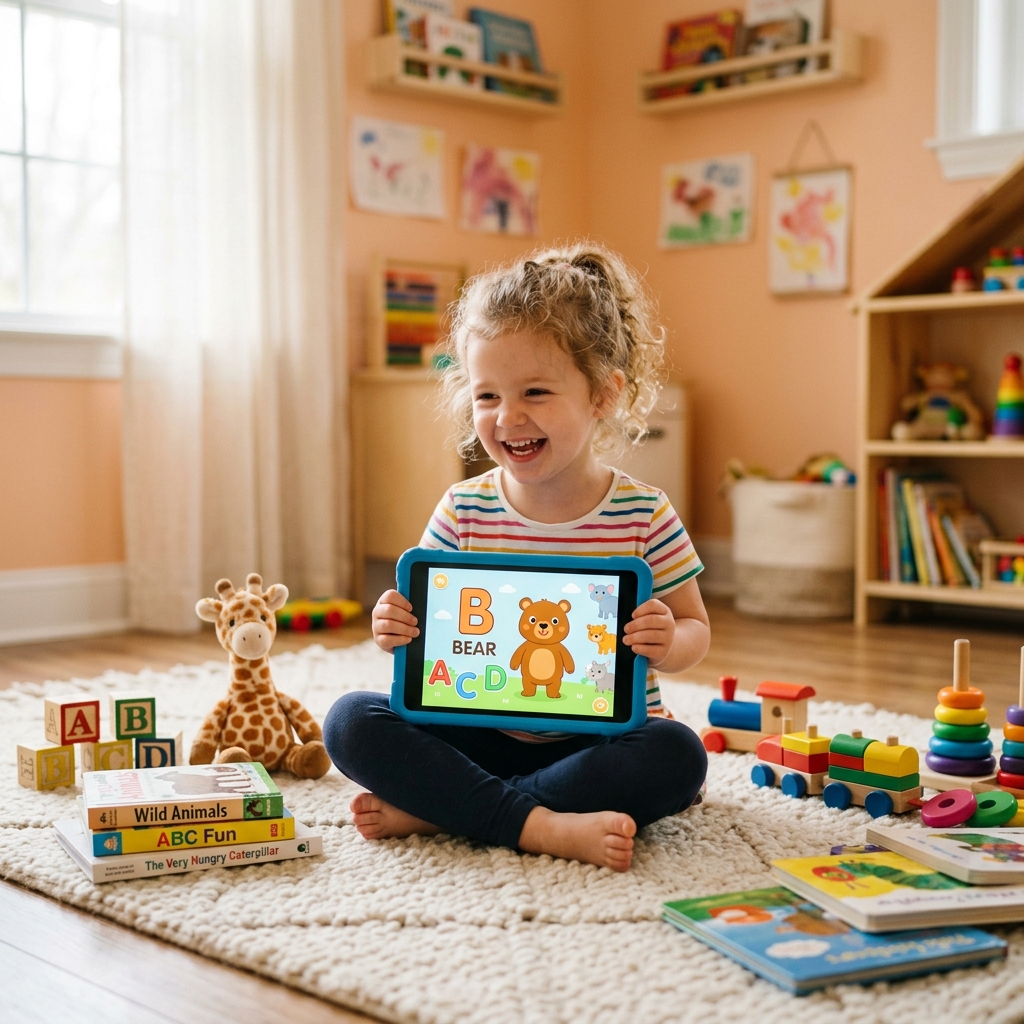
An exception to screen-free time can be educational apps used together. By using apps like Konus Benimle with your child — saying words together, discussing pictures — you can transform technology into an interactive learning tool.
One-on-One Time: Special Moments for Each Child
If you have more than one child, spending one-on-one time with each is critically important. Group activities are great, but every child needs to feel moments where the parent s full attention is directed solely at them.
- Set a weekly "special date" with each child
- Do the activity the child chooses — let them lead
- Do not cancel or postpone this time — it holds great meaning for the child
- Avoid mentioning siblings; focus entirely on that child
Enemies of Quality Time
There are some mistakes we make unconsciously that prevent quality time:
- Phone addiction: Checking the phone while playing with the child sends the message "I am here but not with you"
- Need to control: Interfering with the child s play and trying to fix everything reduces the quality of interaction
- Perfectionism: Instead of planning Pinterest-worthy projects, appreciate simple, spontaneous moments
- Guilt: The guilt of "not spending enough time" diminishes the joy of the time you do spend. Be kind to yourself.
A Plan for Adding Quality Time to Your Daily Routine
Here is a simple quality time plan applicable to every day of the week:
- Morning (10 min): Chat during breakfast or get ready together
- After school/daycare (15 min): One-on-one attention, sharing about the day
- Evening (20 min): Play together, read books, or take a walk
- Before bed (10 min): Conversation, story, or gratitude ritual
- Weekend (1-2 hours): Family activity — park, museum, nature hike
Conclusion: Every Moment Is an Opportunity
Quality time does not require expensive toys, exotic vacations, or perfectly planned activities. The most valuable thing for a child is the moment when their parent is completely focused on them. Sitting on the floor doing a puzzle together, kneading cookie dough in the kitchen, or whispering conversations at bedtime — these ordinary moments become memories that last a lifetime in a child s mind.
Start today: put down your phone, look into your child s eyes, and ask: "What would you like to do together?" This simple question is the most powerful parenting tool in the world.