The Critical Period: When Is the Brain Most Open to Language Learning?
The right timing for teaching children a second language is one of the most frequently asked questions by parents. Scientific research gives a clear answer: the earlier, the better. However, understanding the neurological mechanism behind this helps parents make informed decisions.
According to neuroscientist Eric Lenneberg's Critical Period Hypothesis proposed in 1967, there is a time window during which the brain is most receptive to language learning. This period starts from birth and continues until adolescence — but the strongest advantage is between ages 0-7.
Brain Development and Language Learning
Ages 0-3: The Golden Window
A baby's brain contains approximately 100 billion neurons at birth. In the first 3 years, 700-1,000 new connections per second form between these neurons. This is the period when the ability to distinguish sounds from all languages is at its strongest.
An interesting fact: 6-month-old babies can distinguish sound differences from all languages in the world. By 12 months, they can only recognize sounds from languages they've been exposed to. This is why early exposure is critical for naturally grasping second language sounds.
Ages 3-7: Strong Advantage Period
During this period, children still have a powerful language learning capacity:
- Can learn new sounds without accent
- Grasp grammar rules naturally without conscious effort
- Can flexibly switch between two languages
- Language learning processes are natural and fun, like play
A comprehensive MIT study from 2018 revealed that children who begin learning a second language before age 10 have a much higher probability of achieving native-level proficiency.
Ages 7-12: Still a Good Period
After age 7, language learning capacity begins to decline, but is still much higher than in adults. Children who start during this period:
- Can achieve good levels of proficiency
- May have slight accent in pronunciation
- May need to consciously learn grammar
- Motivation and regular practice become important
8 Proven Benefits of Early Second Language Learning
1. Cognitive Flexibility
Bilingual children perform higher than monolingual peers on cognitive flexibility tests. The brain constantly switching between two language systems strengthens the "mental muscle."
2. Superior Problem-Solving Skills
Research shows that bilingual children are more creative and flexible in solving complex problems. Knowing multiple languages enables viewing issues from different perspectives.
3. Better Attention Control
Bilingual children are more successful at attention-demanding tasks. Constant switching between languages strengthens the brain's attention control mechanism.
4. Enhanced Memory
Managing two language systems strengthens working memory. This effect produces positive results not only in language but also in academic areas like mathematics and science.
5. Cross-Cultural Awareness
Children who learn a different language at an early age become more open and empathetic toward different cultures — a great advantage in our increasingly globalized world.
6. Academic Success
Long-term research reveals that bilingual children show higher academic achievement across all school subjects, not just language classes.
7. Easier Third Language Learning
Children who know two languages learn third and fourth languages much more easily. The brain has already developed a "language learning algorithm" that transfers to new languages.
8. Long-Term Brain Health
Bilingualism can delay cognitive decline by 4-5 years in later life. Neurological connections established at an early age support brain health throughout life.
Most Frequently Asked Questions by Parents
Does a second language delay the mother tongue?
This is a common concern, but scientific evidence shows otherwise. Bilingual children may show a temporary slowdown in each individual language, but their total vocabulary (both languages combined) is equal to or broader than monolingual children. Languages balance out around ages 3-4.
Should parents speak different languages?
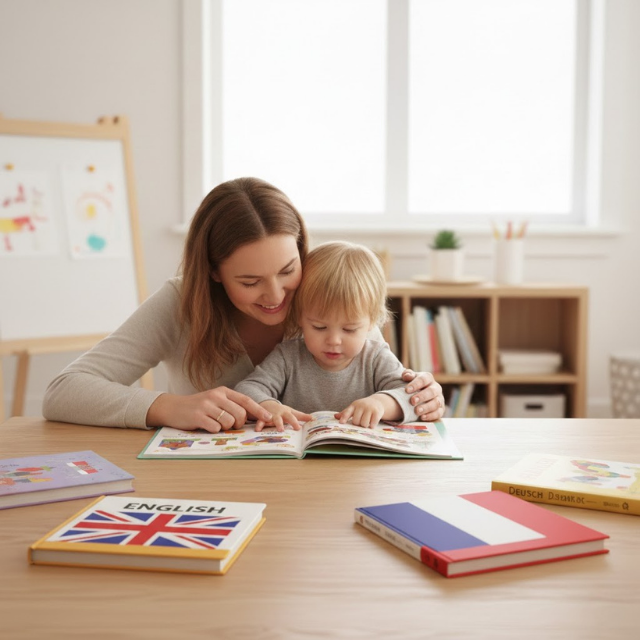
The OPOL (One Parent, One Language) method is a popular approach: each parent consistently speaks one language. However, this isn't the only method. What matters is consistency and sufficient exposure.
Will the child mix languages?
Code-switching between languages is a normal and healthy process. It doesn't mean the child is confused — on the contrary, it's an indicator of cognitive flexibility. The child naturally learns over time which language to use in which context.
Practical Ways to Support Second Language Learning
Provide Natural Exposure
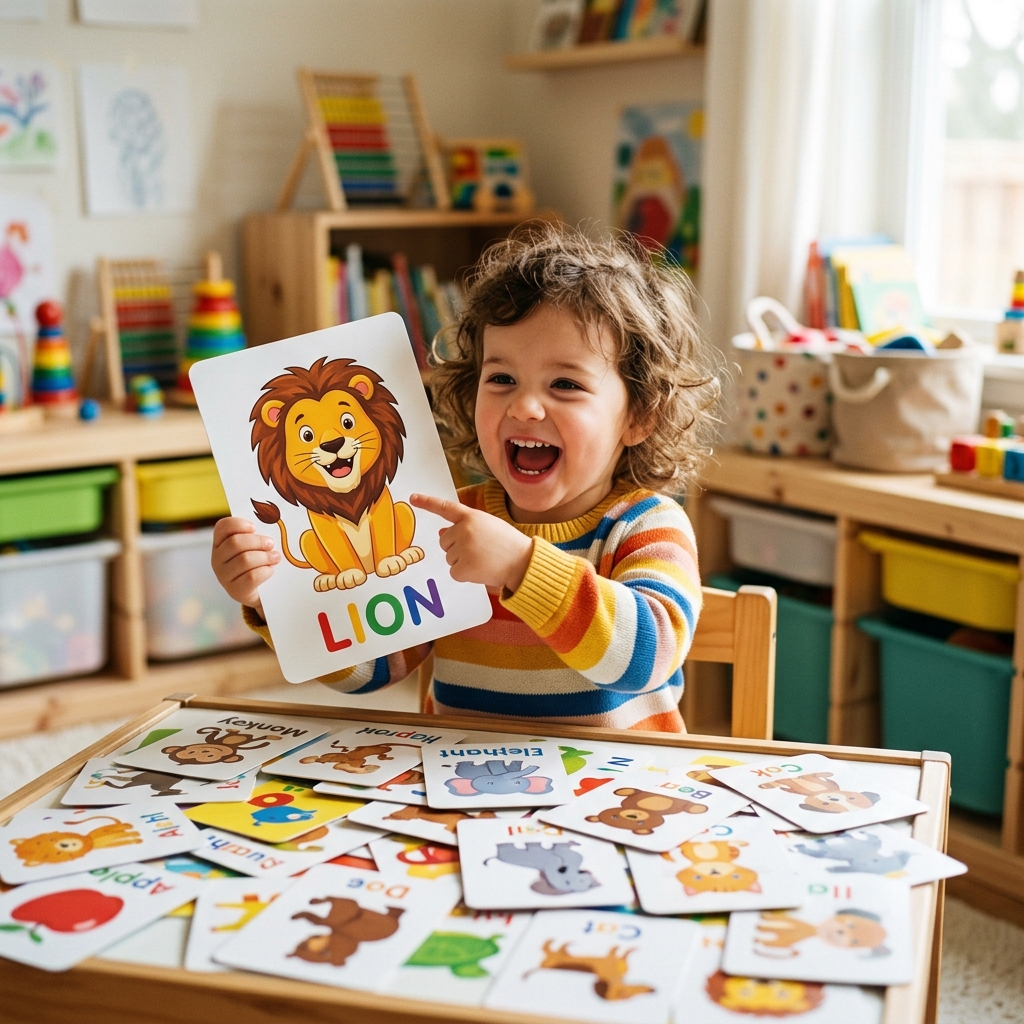
The child needs to be exposed to the second language in natural and fun contexts. Songs, stories, games, and daily conversations are much more effective than forced lesson formats.
Be Consistent
Whatever method you choose, consistency is key. Aim for at least 30 minutes of second language exposure daily. This time can be distributed across daily activities.
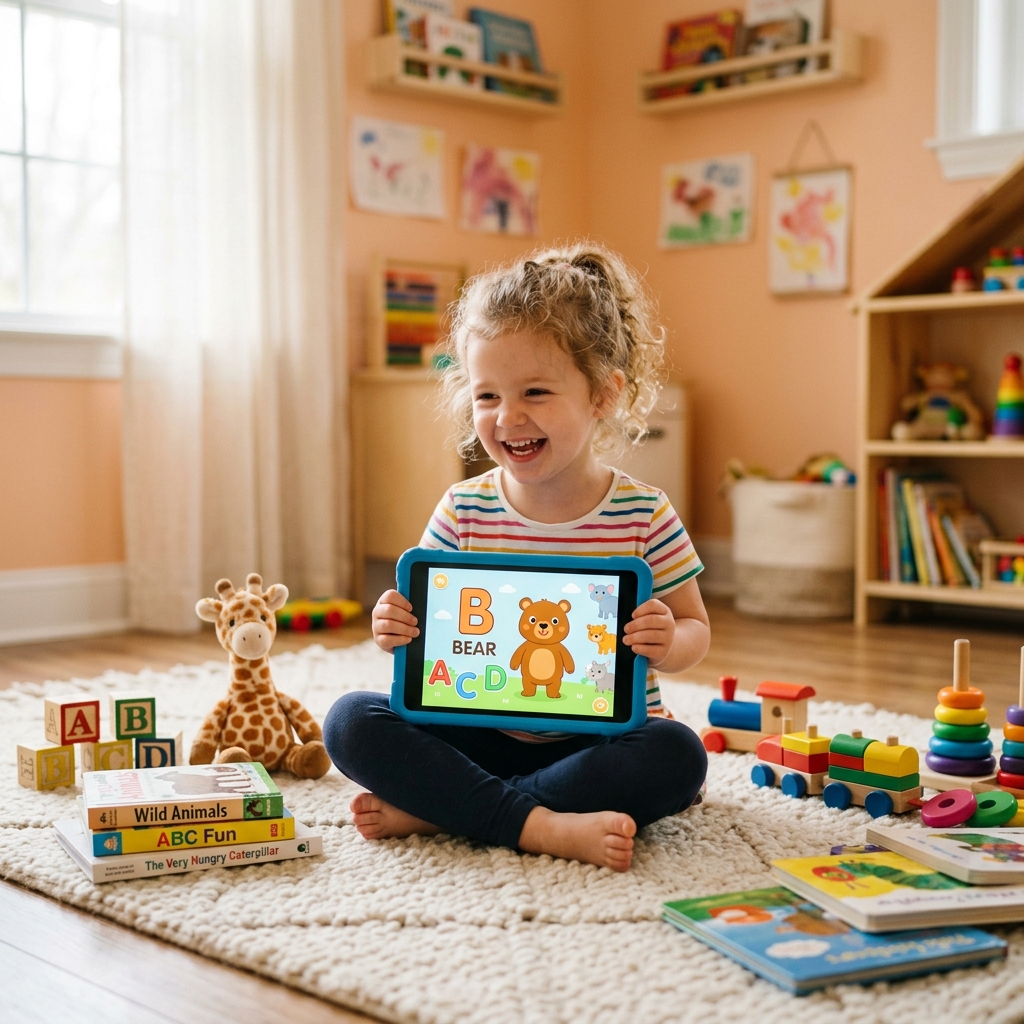
Use Technology Wisely
Multilingual educational apps like Konus Benimle are a modern and effective way to support second language learning. The app offers vocabulary teaching in 3 languages: Turkish, English, and German. Visual cards, AI stories, and a gamified system capture the child's attention and turn learning into fun.
Offer Cultural Experiences
Language learning isn't just about memorizing words. Introduce your child to the culture of the target language: cartoons, songs, foods, and traditions in that language.
Create Social Interaction Opportunities
Interaction with children or adults who speak the target language accelerates language learning. Playgroups, language courses, or multicultural events are great opportunities.
Conclusion: The Best Time Is Now
Science speaks clearly: the best age to start learning a second language is the earliest possible age. While ages 0-7 are the golden period, starting at any age is better than never starting. Early language learning doesn't just build communication skills — it strengthens cognitive development, broadens cultural horizons, and improves academic success.
Konus Benimle helps children make a fun and scientific start to their multilingual learning journey. With vocabulary teaching in 3 languages, personalized AI stories, and a level system, it offers a learning experience suited to every child's potential.
One of the most valuable gifts you can give your child is a second language — and the best time to give this gift is today.