
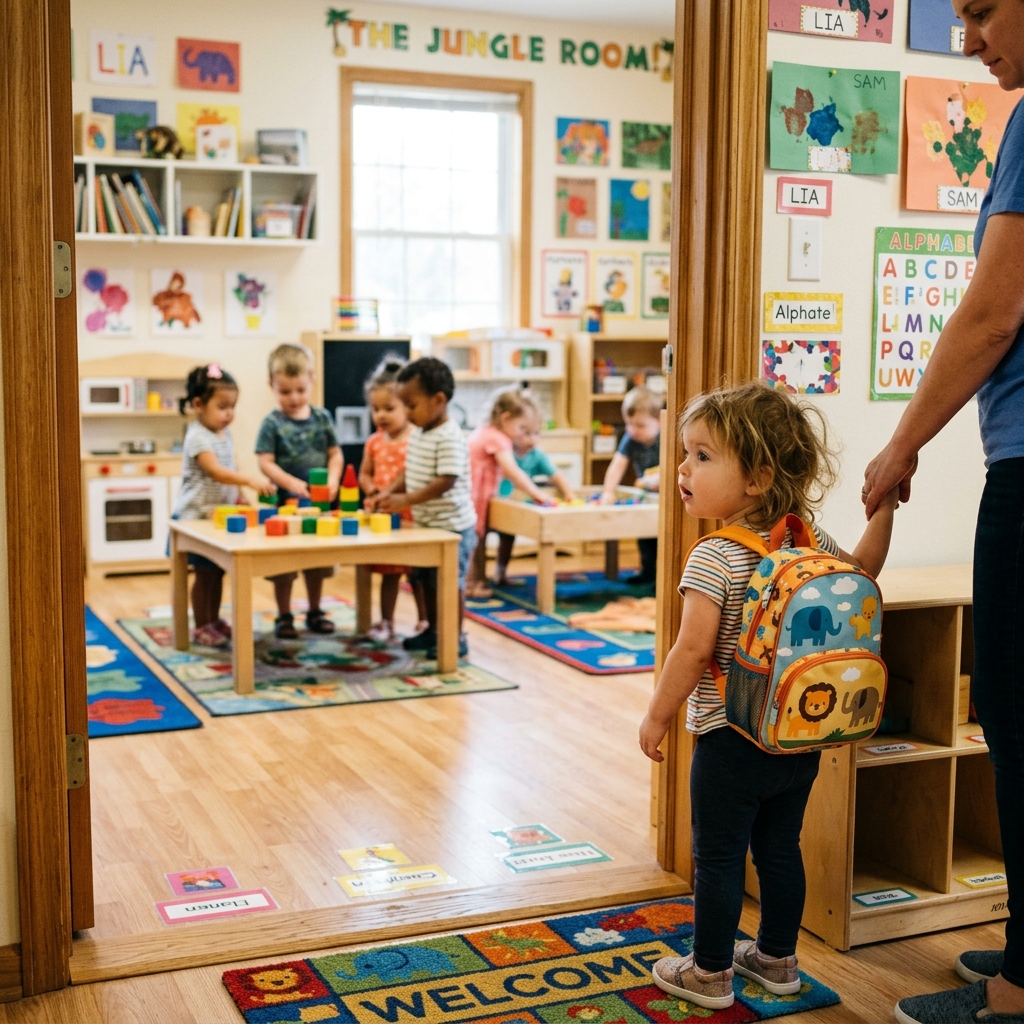
When Should Children Start Daycare?
The ideal age to start daycare varies for each child and family. Generally, children can start daycare between ages 1-3. However, the ideal timing is directly related to the child's individual development, the family's needs, and the program offered by the daycare. Experts indicate that having a secure primary attachment relationship is an important indicator of readiness for daycare.
What Preparations Should Be Made Before Starting Daycare?
The process of starting daycare is an emotional period for both child and parent. Proper preparation makes this transition easier for everyone.
Preparations at Home
- Talk positively about daycare: Tell your child that daycare is a fun place where they will make new friends and play games. Stories and picture books can be helpful.
- Adjust the daily routine: Create a sleep and meal schedule that aligns with daycare hours. Ideally, start this transition at least two weeks in advance.
- Develop independence skills: Reinforce basic skills like eating independently, drinking from a cup, and toilet training.
- Provide social experiences: Experiences like playing with other children at the park or spending time with relatives' children ease the daycare adjustment.
What to Look for When Choosing a Daycare
- Teacher-child ratio: This ratio is very important for younger age groups. For ages 0-2, one teacher should care for 3-4 children; for ages 2-3, one teacher for 5-6 children.
- Hygiene and safety standards: Cleanliness protocols, safety measures, and emergency plans should be thoroughly investigated.
- Educational approach: Consider play-based learning, programs suitable for the child's individual development, and multilingual support.
- Communication policy: Prefer daycares that share regular information with parents and provide daily reports.
How Does the Daycare Adaptation Process Work?
The daycare adaptation process typically takes 2-4 weeks. Each daycare may have a different adjustment program, but the following steps are generally followed:
Week 1: Getting Acquainted
- First days (1-2 hours): Parent and child come to daycare together. The child explores the environment while the parent stays nearby.
- Brief separations (15-30 minutes): The parent makes short departures and returns. This lays the foundation of trust for the child.
- Building trust: The bond between teacher and child begins to form.
Week 2: Separation Period
- Separation time increases: Starting from 1-2 hours, extending to half a day.
- Routine is established: The child begins participating in daily activities.
- Goodbye ritual is set: A short and consistent goodbye routine is established.
Weeks 3-4: Full Adaptation
- Full-day transition: The child becomes able to stay at daycare for the full day.
- Adaptation assessment: Teachers and parents evaluate the child's progress together.
Dealing with Crying and Separation Anxiety at Daycare
It is perfectly normal and expected for children to cry when being dropped off at daycare. Separation anxiety is actually a sign that the child has formed a healthy attachment relationship.
Tips for Parents
- Don't prolong the goodbye: Make a short, warm, and decisive farewell. Use clear phrases like "I love you so much, I'll come back this afternoon."
- Don't sneak away: Leaving without being noticed damages the child's sense of trust. Always say goodbye.
- Be consistent: Apply the same goodbye ritual every day. Consistency builds trust.
- Show your confidence: The worry on your face reflects on your child. Smile and stay calm.
- Give a transition object: A small toy or family photo can comfort the child as a security object.
Supporting Language Development During the Daycare Period
Daycare is an extremely productive environment for children's language development. Interaction with peers rapidly expands children's vocabulary and strengthens their communication skills.
Factors That Accelerate Language Development at Daycare
- Peer interaction: Communicating with other children encourages learning new words and forming sentences.
- Structured activities: Activities like songs, nursery rhymes, and story time develop language skills.
- Adult modeling: Teachers' rich language use is a natural learning resource for children.
At home, you can reinforce what your child learns at daycare by using educational apps like Konus Benimle. With over 500 flashcards and content in three languages, the app is ideal for supporting language development during the daycare period.
Common Problems During the Daycare Adjustment Period
Frequent Illness
It is normal for children who are new to daycare to get sick frequently. This situation may continue until the immune system strengthens. Balanced nutrition, adequate sleep, and attention to hygiene rules reduce the frequency of illness.
Changes in Sleep Patterns
The new environment and routine changes can affect sleep patterns. Creating a calming evening routine at home and setting a sleep schedule aligned with daycare hours is beneficial.
Behavioral Changes
Some children may become moodier, clingier, or more aggressive at home after starting daycare. This is a temporary adjustment reaction and usually resolves within a few weeks. Show your child extra love and attention, but maintain your boundaries.
Food Refusal
Some children may refuse to eat in the new environment. Sending familiar snacks from home and collaborating with the daycare to share the child's preferences can alleviate this problem.
When Should Daycare Be Postponed?
Some situations may require delaying the start of daycare:
- During major life changes: During periods like a new sibling, moving, or divorce, an additional change can overwhelm the child.
- If there are serious health issues: In cases of chronic illness or immune system problems, medical advice should be sought.
- If the child is not developmentally ready: If there is excessive dependency or serious difficulties in social interaction, these areas should be supported first.
Conclusion: Patience and Trust Are Key
Starting daycare is a milestone for both child and parent. Every child's adaptation process is different; some may be happy from day one, while others may cry for weeks. Both situations are normal. What matters is being patient, staying consistent, and making your child feel that you trust them. Daycare is a valuable experience that supports your child's social skills, independence, and language development. By also supporting language development at home with the Konus Benimle app, you can help your child express themselves better at daycare.